Table of Contents
- What is Agentic AI?
- What is an Agentic AI Cybersecurity?
- Agentic AI Integration and Evolution
- Security Challenges and Risks of Agentic AI Systems
- The Human Element in an Agentic AI-Driven World
- Organizational Impact of Agentic AI Systems
- Agentic AI Implementation Ideas for CISOs
- Rethinking Sensitive Data Management and Cybersecurity Architecture
- Long-Term Impact of Agentic AI Systems
- Adopting Agentic AI in Cybersecurity
- Conclusion
- FAQs
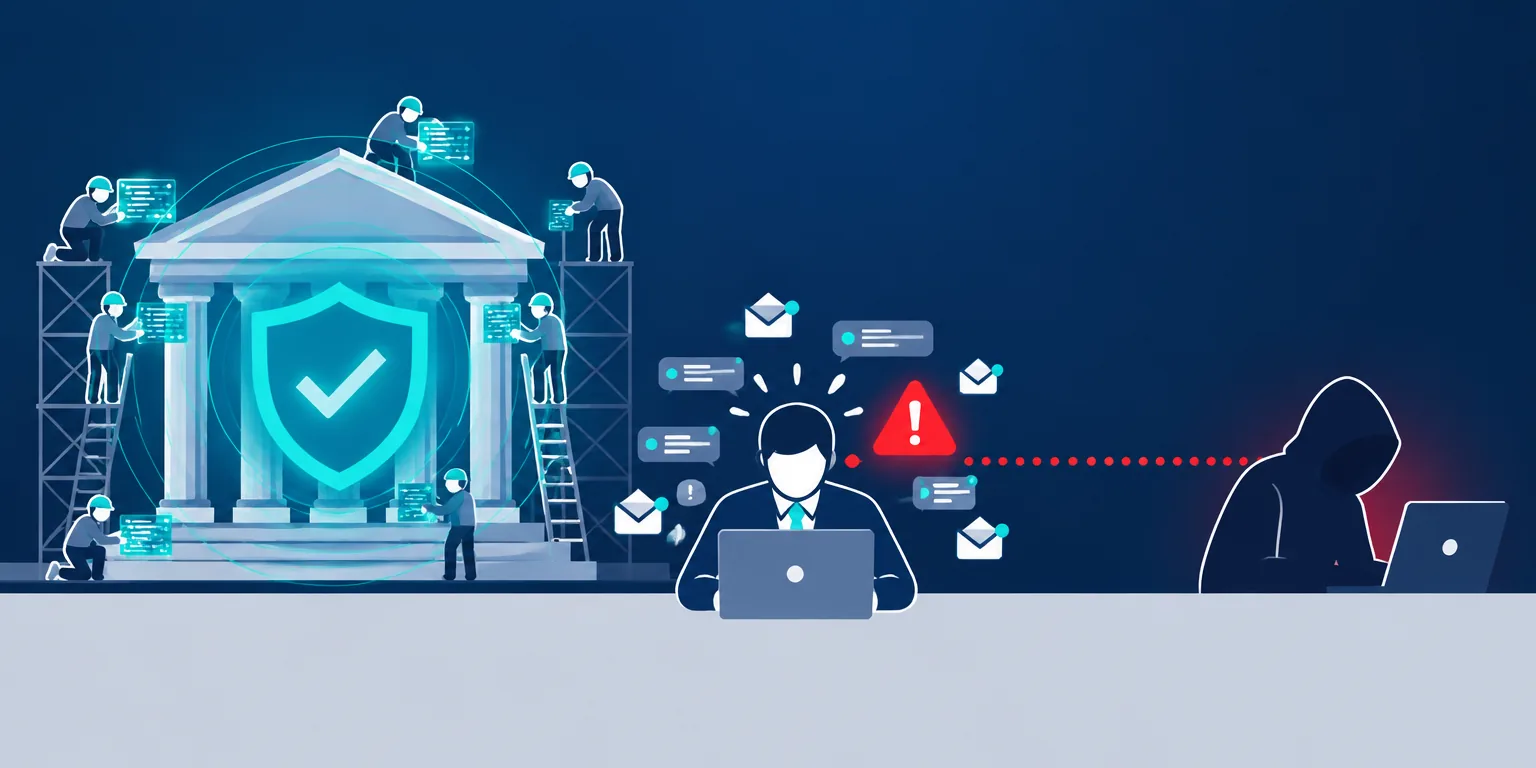
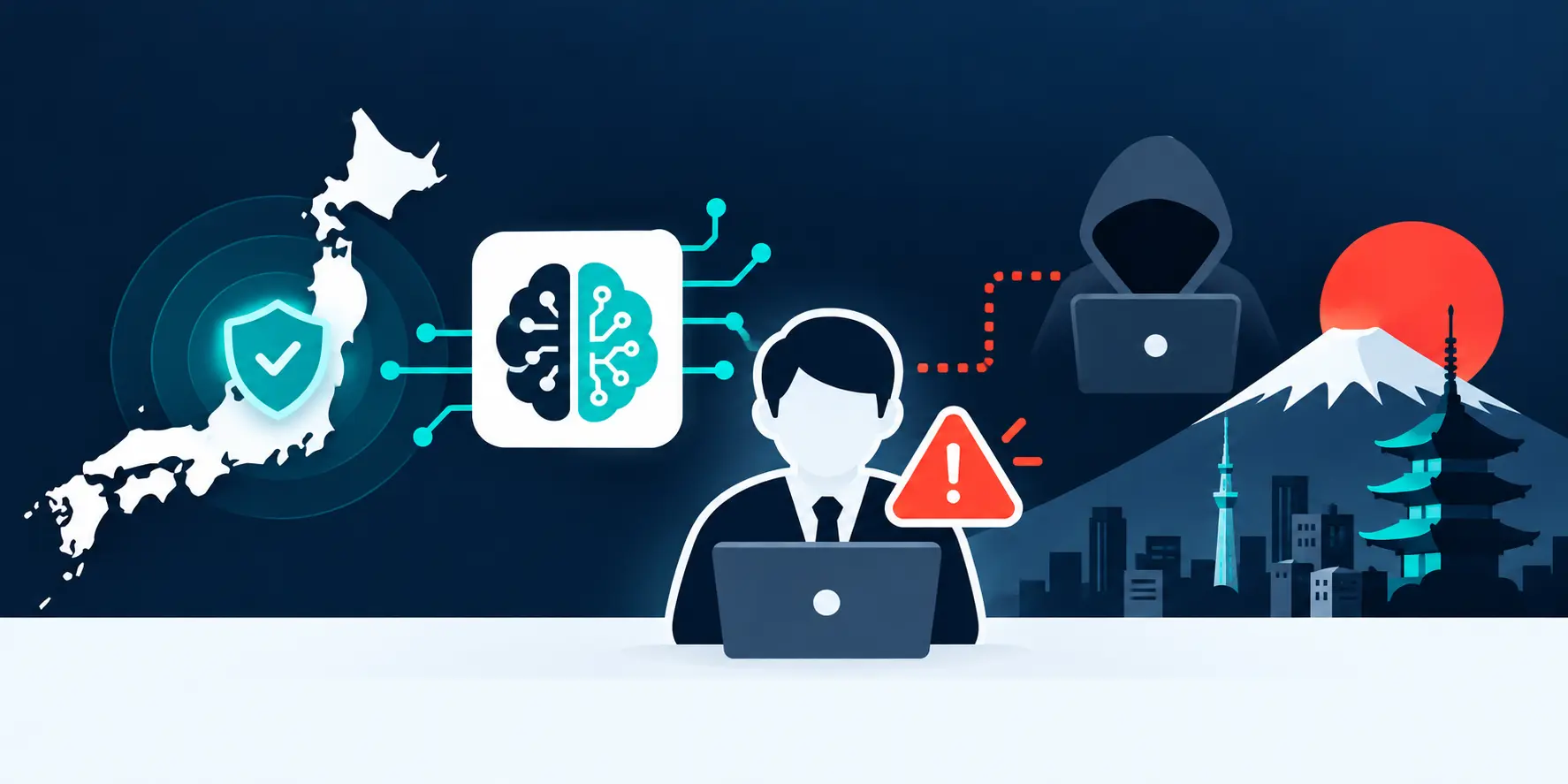
Agentic AI in cybersecurity truly is a paradigm shift that is reshaping our industry at an unprecedented pace. As organizations rush to take advantage of Artificial Intelligence, they’re unleashing a force that’s both revolutionary and potentially dangerous.
McKinsey reports that since 2022, phishing attacks have surged by an alarming 1,265%, with the help of AI-enhanced social engineering techniques. Realistic deepfakes and phishing emails are turning employees into unwitting accomplices in data breaches.
However, there’s a reason why organizations are so excited about AI agents. According to KPMG, in just three years, the adoption of AI in financial reporting is set to skyrocket from 28% to a staggering 83% of companies. KPMG’s own generative AI tool has achieved an astonishing 98% accuracy in interpreting financial statements, showing AI’s capacity to handle complex analytical tasks. In many cases, with near-human precision.
The economic implications are equally impressive. McKinsey estimates that generative AI could unlock up to $4.4 trillion in annual value across various enterprise use cases.
The question I have today isn’t whether Agentic AI will transform cybersecurity. But how we balance its dual role as both shield and sword? Are we prepared for the challenges and opportunities that lie ahead? And how the choices we make today will shape the cybersecurity landscape of the future?
What is Agentic AI?
Agentic AI, or Agent-based Artificial Intelligence, refers to AI systems that can act autonomously to achieve specific goals. Unlike traditional AI models like Chat GPT that simply process and respond to inputs, Agentic AI possesses a degree of independence and decision-making capability. These AI agents can:
Perceive their environment and make decisions based on that perception
Take actions to achieve predefined objectives
Learn from their experiences and adapt their behavior
Interact with other AI agents or humans to accomplish tasks
Operate with minimal human intervention once deployed
In the context of cybersecurity, Agentic AI systems will be able to autonomously detect threats, make decisions about how to respond, and take action to protect your digital assets. Agentic AI systems won’t be just tools waiting for human input, but active “employees” in your cybersecurity strategy, capable of continuous learning and adaptation to new threats.

AI Agents vs Agentic AI in Cybersecurity
While often used interchangeably, AI agents and Agentic AI in cybersecurity have distinct characteristics:
AI Agents:
Specialized AI programs designed for specific tasks
Operate within predefined parameters
React to inputs based on programmed rules
Limited autonomy and decision-making capability
For example: Chatbots for customer support, simple anomaly detection systems
Agentic AI:
Advanced AI systems with a degree of autonomy
Can make independent decisions and take actions
Learns and adapts to new situations
Operates across multiple domains and tasks
Collaborates with other AI systems and humans
For example: Autonomous threat hunting systems, adaptive defense mechanisms
In cybersecurity, AI agents might perform specific tasks like monitoring network traffic or flagging suspicious emails. Agentic AI, on the other hand, can autonomously detect threats, decide on appropriate responses, and even predict future attack vectors by learning from past experiences.
The key difference lies in the level of autonomy and adaptability. While AI agents are powerful tools, Agentic AI represents a more advanced, flexible, and independent approach to cybersecurity, capable of handling complex, evolving threat landscapes with minimal human intervention.
In the future, I think that the line between AI agents and Agentic AI may blur, with more systems incorporating agentic properties to enhance cybersecurity capabilities.
Download: Traditional Security Awareness vs Human Risk Management
Traditional Security Awareness doesn’t do the job anymore. Download our guide to see how HRM upgrades your program and takes Security Awareness into your larger cybersecurity goals.

Agentic AI Integration and Evolution
In 2025, we are going to witness a fundamental shift in how AI integrates into business operations and cybersecurity strategies. Agentic AI systems are evolving from tools into integral components of your organization, capable of making autonomous decisions that will significantly impact your security posture.
For example: a cybersecurity ecosystem where multiple AI agents work together, each specializing in different tasks but collaborating towards common goals. One AI agent might focus on threat detection, another on incident response, while a third engages in predictive analysis of potential future threats. This is the promise of Agentic AI systems, and I think it’s closer to reality than we might think.
The efficiency gains from these systems will be truly undeniable. Agentic AI will process vast amounts of data, identify patterns, and respond to cyber threats faster than any human team could hope to match.
However, with this increased efficiency, we must also be prepared for the new set of challenges it brings. The interconnected nature of these AI systems introduces new vulnerabilities that cybercriminals will undoubtedly attempt to exploit.
Another thing to keep an eye on is a phenomenon I call “shadow AI.” Much like the concept of shadow IT, shadow AI refers to the unsanctioned use of AI tools by employees within your organization. This could range from using public AI models for data analysis to employing AI-powered coding assistants without proper vetting.
While these tools can boost productivity, they also introduce significant risks to your organization. Your employees might inadvertently input sensitive data into public AI models, potentially exposing confidential information. Additionally, the use of AI coding assistants like GitHub Copilot without proper oversight could lead to the introduction of vulnerabilities in your critical systems.
In software development, the impact of AI cannot be overstated. By 2027, I predict that at least 80% of developers in your organization will be using AI-powered coding tools in some capacity. These AI tools are already helping companies significantly speed up the development process, auto-generate code, and help identify and fix bugs. However, this shift also means that the nature of software vulnerabilities most likely to change. Software developers will need to be keep an eye on potential biases or errors introduced by AI coding assistants, as well as the possibility of cyber attacks targeting these AI systems themselves.
In security operations, we’ll see a clear trend away from simple chatbot interfaces towards more sophisticated, autonomous AI agents. These agents will be capable of not just detecting threats, but also responding to them in real-time, often without human intervention. However, this shift will also raise important questions about accountability and control. As these AI agents become more autonomous, you’ll need to ensure that their decision-making processes are transparent, auditable, and aligned with your organizational policies and ethical standards.

Security Challenges and Risks of Agentic AI Systems
As companies will integrate more advanced Agentic AI systems into their cybersecurity infrastructure, they will also be introducing new attack vectors and vulnerabilities that they must be prepared to address.
The interconnected nature of multi-agent AI systems, while powerful, also creates new opportunities for attackers. A compromise in one AI agent could potentially cascade through your system, affecting multiple areas of your security infrastructure. You’ll need to develop new strategies for isolating and containing breaches within these complex systems.
Two particularly concerning attack vectors for AI systems that CISOs need to be aware of are data poisoning and prompt injection. Data poisoning involves introducing malicious data into an AI’s training set, potentially causing it to make incorrect decisions or classifications. Prompt injection, on the other hand, involves crafting inputs that manipulate an AI’s responses in unintended ways.
These types of attacks are particularly dangerous because they target the fundamental decision-making processes of your AI systems. Detecting and preventing these attacks will require new types of security measures, including robust data validation processes and advanced anomaly detection systems.
As AI systems become more human-like in their interactions, you’ll also see the evolution of social engineering tactics. Attackers are already using AI-generated content to create more convincing phishing emails and deepfake videos. As these technologies advance, distinguishing between genuine and AI-generated content will become increasingly challenging for you and your employees.
At Right-Hand Cybersecurity, we’ve long emphasized the importance of human-centric security awareness training. In the face of these advanced AI-powered social engineering tactics, such training becomes even more critical. You need to equip your employees not just with the knowledge to identify traditional phishing attempts, but also with the critical thinking skills to question and verify the authenticity of the digital content they encounter.
The vast amounts of data processed by interconnected AI agents raise significant privacy concerns for your organization. Without proper boundaries and access controls, these Agentic AI systems could potentially expose sensitive information across multiple touchpoints. You’ll need to implement stringent data governance policies and technical safeguards to ensure that your AI systems respect data privacy regulations and protect sensitive information.
As we look towards 2025 and beyond, it’s becoming clear that many of our traditional security measures may be inadequate for addressing AI-specific threats. Conventional firewalls and intrusion detection systems aren’t designed to monitor the complex decision-making processes of AI agents or detect subtle manipulations of AI models.
We’ll need to develop new security paradigms that are specifically tailored to the unique characteristics of Agentic AI systems. This might include AI-specific anomaly detection systems, advanced model monitoring tools, and new approaches to securing the AI development and deployment pipeline.
The Human Element in an Agentic AI-Driven World
Soon we’ll see a significant evolution in the role of the Chief Information Security Officer (CISO). Many CISOs will need to transition from being purely a cyber defense leader to becoming a business resilience architect.
Cybersecurity is not just a technical issue anymore, but a fundamental business concern that impacts every aspect of an organization. As a CISO, you’ll need to develop a broader understanding of business operations, risk management, and strategic planning.
Another trend I anticipate is the increasing prevalence of virtual CISO (vCISO) roles. As many organizations struggle to find and retain top cybersecurity talent, they may turn to vCISO services to access high-level security expertise on a flexible basis. This trend could help democratize access to top-tier cybersecurity experts, allowing smaller organizations to benefit from experienced guidance without the overhead of a full-time CISO.
The most successful cybersecurity professionals in your team will be those who can develop hybrid skill sets that bridge the gap between technical expertise and business strategy.
Organizational Impact of Agentic AI Systems
The integration of Agentic AI into cybersecurity will have far-reaching impacts on how you structure your security operations and allocate your resources.
As Agentic AI systems become more capable of handling a wide range of security tasks, you’ll likely see a trend towards vendor consolidation. Your organization will probably seek out comprehensive, artificial intelligence driven cybersecurity platforms that can replace multiple point cybersecurity solutions. This could lead to a shake-up in the cybersecurity vendor landscape, with a premium placed on those who can offer integrated, AI-powered security suites.
Similarly, you may see an increased reliance on Managed Security Service Providers (MSSPs) who can leverage advanced AI systems to offer more effective and efficient security services. This could be particularly beneficial if you’re running a small to medium-sized enterprise that may not have the resources to build and maintain your own AI-driven security operations.
The rise of Agentic AI may lead many companies to reevaluate their Bring Your Own Device (BYOD) policies. As AI systems become more deeply integrated into their corporate networks and data flows, the risks associated with personal devices accessing these systems may outweigh the benefits of BYOD.
CISOs may need to implement stricter controls on device usage or even roll back BYOD policies entirely in favor of corporate-managed devices. This shift would allow for better control over the AI systems and data that your employees can access, reducing the risk of data leaks or unauthorized AI tools usage.
As AI takes over more routine security tasks, you may see a shift in how you allocate your security budget. There could be a decrease in investment in traditional security measures for mature organizations, with resources instead being directed towards AI solutions and even development of AI-specific security architectures.
However, it’s crucial to note that this doesn’t mean you should reduce your overall security investment. Rather, it represents a reallocation of your resources towards more advanced, AI-centric security measures.
One of the key challenges I think most companies will face is balancing the drive for AI innovation with the need for robust human risk management. The potential benefits of AI tools and Agentic AI systems in improving efficiency, decision-making, and threat detection are enormous. However, you must weigh these benefits against the new risks and vulnerabilities that AI systems introduce.
CISOs will need to develop comprehensive AI governance frameworks that allow for innovation while maintaining strict controls on data access, model development, and AI deployment. This balancing act will likely become a key focus for CISOs in the coming years.
Agentic AI Implementation Ideas for CISOs
As you look towards implementing Agentic AI in your cybersecurity strategies, there are several key things that CISOs should consider:
Develop comprehensive cyber threat modeling plans. With the introduction of Agentic AI systems, your cyber threat landscapes are becoming more and more complex. You need to develop cyber threat modeling plans that take into account AI-specific vulnerabilities and attack vectors. These modeling plans should consider not just external cyber threats, but also the potential for insider threats related to AI misuse or manipulation.
Implement least-privilege access and dynamic capability shifting. To mitigate the risks associated with compromised AI agents, you should implement strict least-privilege access policies. Your AI systems should only have access to the data and systems necessary for their specific tasks. Not only that but also consider implementing dynamic capability shifting, where AI agents can have their permissions and capabilities adjusted in real-time based on the current cyber threat landscape and operational needs.
Establish clear governance policies. These policies are crucial for managing the development, deployment, and use of AI systems within your organization. These governance policies should cover areas such as data access, model development practices, ethical considerations, and the processes for monitoring and auditing AI activities.
Consider developing AI-specific security architectures. Architectures that separate AI systems into trusted and untrusted zones. This approach can help contain potential breaches and limit the impact of compromised AI agents within your network.
Given the dynamic nature of AI systems, continuous monitoring is essential. You need to implement advanced anomaly detection systems that can identify unusual patterns in AI behavior, data access, or decision-making processes. These systems should be capable of detecting subtle signs of data poisoning, model drift, or adversarial attacks.
Don’t overlook the human element in your cybersecurity strategy. 82% of data breaches occur due to employee error. Hence, Human risk management is critical. At Right-Hand Cybersecurity, our Human Risk Management platform is designed to address this aspect. It empowers your organization to change employee behaviors and reduce employee cyber risk. By combining AI-driven security measures with robust security awareness training, phishing simulations, and personalized learning journeys, you can create a more resilient human firewall. This holistic approach ensures that your first line of defense – your people – are equipped to detect and respond to cyber threats that even the most advanced AI systems might miss.
Rethinking Sensitive Data Management and Cybersecurity Architecture
As CISOs integrate Agentic AI into their cybersecurity strategies, they will need to fundamentally rethink their approaches to sensitive data management and cybersecurity architecture.
In the age of Agentic AI system, sensitive data will become more valuable than ever. However, CISOs focus will need to shift from a “patch-first” mentality to one centered on data trust. They will need to ensure that the data feeding their AI systems is accurate, unbiased, and secure. Therefore, they will need to implement robust data validation processes, maintaining clear data lineage, and regularly auditing their data sources and AI models.
Creating distinct trusted and untrusted zones for AI systems will be crucial. Your trusted zones should house critical AI models and sensitive data, with strict access controls and monitoring. Untrusted zones can be used for initial data processing, things like experimental models, or interactions with external systems. This separation can help contain potential breaches and limit the impact of compromised Agentic AI systems within your network.
Granular control over data access and AI system capabilities will be essential. This goes beyond traditional role-based access control to include context-aware access policies that can adapt based on real-time risk assessments. Your Agentic AI systems should only have access to the minimum data necessary for their specific tasks, and their capabilities should be strictly defined and monitored.
Finally, given the autonomous nature of Agentic AI systems, maintaining comprehensive and immutable audit trails of AI activities will be crucial. These audit trails should record not just the actions taken by your AI agents, but also the decision-making processes and data inputs that led to those actions. This level of transparency will be essential for accountability, troubleshooting, and regulatory compliance.
Long-Term Impact of Agentic AI Systems
No one will argue that the implications of Agentic AI in cybersecurity will be profound and far-reaching.
We’ll likely see an ever increasing focus on cloud security and automation. The trend towards cloud-based Agentic AI systems will necessitate an even greater focus on cloud security. You’ll likely see the development of new cloud security paradigms specifically designed to protect AI workloads and data. Automation will play a key role here, with AI-driven cybersecurity systems continuously monitoring and adapting to protect your cloud-based AI resources.
CISOs should also prepare for a shift from vulnerability-based to exploitability-based security. As AI systems become more complex, traditional vulnerability-based security approaches may become less effective. Instead, you’re likely to see a shift towards exploitability-based security. This approach focuses on understanding and mitigating the ways in which vulnerabilities could be exploited, rather than simply identifying and patching known vulnerabilities.
The integration of AI will continue to reshape cybersecurity roles within your organization. We may see the emergence of new positions like AI Security Architects, AI Ethicists, or AI Risk Managers. Existing roles will need to evolve, with a greater emphasis on AI literacy and the ability to manage and secure AI systems.
Adopting Agentic AI in Cybersecurity
As we stand on the brink of this new era in cybersecurity, it’s clear that Agentic AI will play a transformative role in shaping our industry. The challenges we face are significant. But so too are the opportunities. By embracing these changes and adapting our strategies accordingly, CISOs can harness the power of AI to create more robust, responsive, and effective cybersecurity systems for their organizations.
At Right-Hand Cybersecurity, we’re committed to staying at the forefront of Agentic AI developments. Our human risk management platform is continuously evolving to address the changing landscape of cyber threats, including those posed by and to Agentic AI systems. I believe that by combining advanced technology with a deep understanding of human behavior, we can help you create a more secure digital future for your organization where your employees become your first line of defense against evolving cyber threats.
How to defend against phishing attacks?
Visit our page to find out what are end-to-end phishing defense and what are its components.

FAQs
How does Agentic AI differ from traditional AI in cybersecurity?
Agentic AI in cybersecurity operates autonomously, making decisions and taking actions without constant human intervention. Unlike traditional AI, which relies on predefined rules, Agentic AI can adapt to new threats, learn from experiences, and collaborate with other AI agents. This enables more proactive and efficient threat detection and response in complex, evolving cyber environments.
What are the potential risks of implementing Agentic AI in critical systems?
Implementing Agentic AI in critical systems poses risks such as AI-driven attacks, data breaches due to AI vulnerabilities, and the potential for AI to make harmful autonomous decisions. There’s also the risk of over-reliance on AI, potentially reducing human expertise. Careful risk assessment, robust AI safety measures, and maintaining human oversight are crucial to mitigate these risks.
How can organizations balance AI automation with human expertise in cybersecurity?
Organizations can balance AI automation with human expertise by using Agentic AI to handle routine tasks and initial threat detection, while leveraging human analysts for complex decision-making and strategy. Implement a multi-agent system where AI and humans collaborate, with AI flagging potential threats and humans providing deep knowledge and context for final decisions.
How does Agentic AI impact software development in terms of security?
Agentic AI impacts software development by automating code reviews, identifying potential vulnerabilities, and suggesting secure coding practices. It can analyze code in real-time, predict potential security issues, and even auto-generate secure code snippets. This helps developers create more secure software from the ground up, reducing the risk of introducing vulnerabilities.
How can organizations ensure the ethical use of Agentic AI in cybersecurity?
Organizations can ensure ethical use of Agentic AI by establishing clear governance policies, implementing transparency in AI decision-making processes, and maintaining human oversight. Regular audits of AI systems, diverse training data to prevent bias, and ongoing evaluation of AI’s impact on privacy and fairness are crucial. Ethical guidelines should be integrated into AI development and deployment.